Electronic Press Kit (EPK)
• Dada - Single
• Nothing's as It Seems - Single
• Mother's Day Proverb - Single
• For Good - Single
• WikiWeb3
• Socials
• Reviews
• Podcast
~ ~ ~ ~ ~
Contact
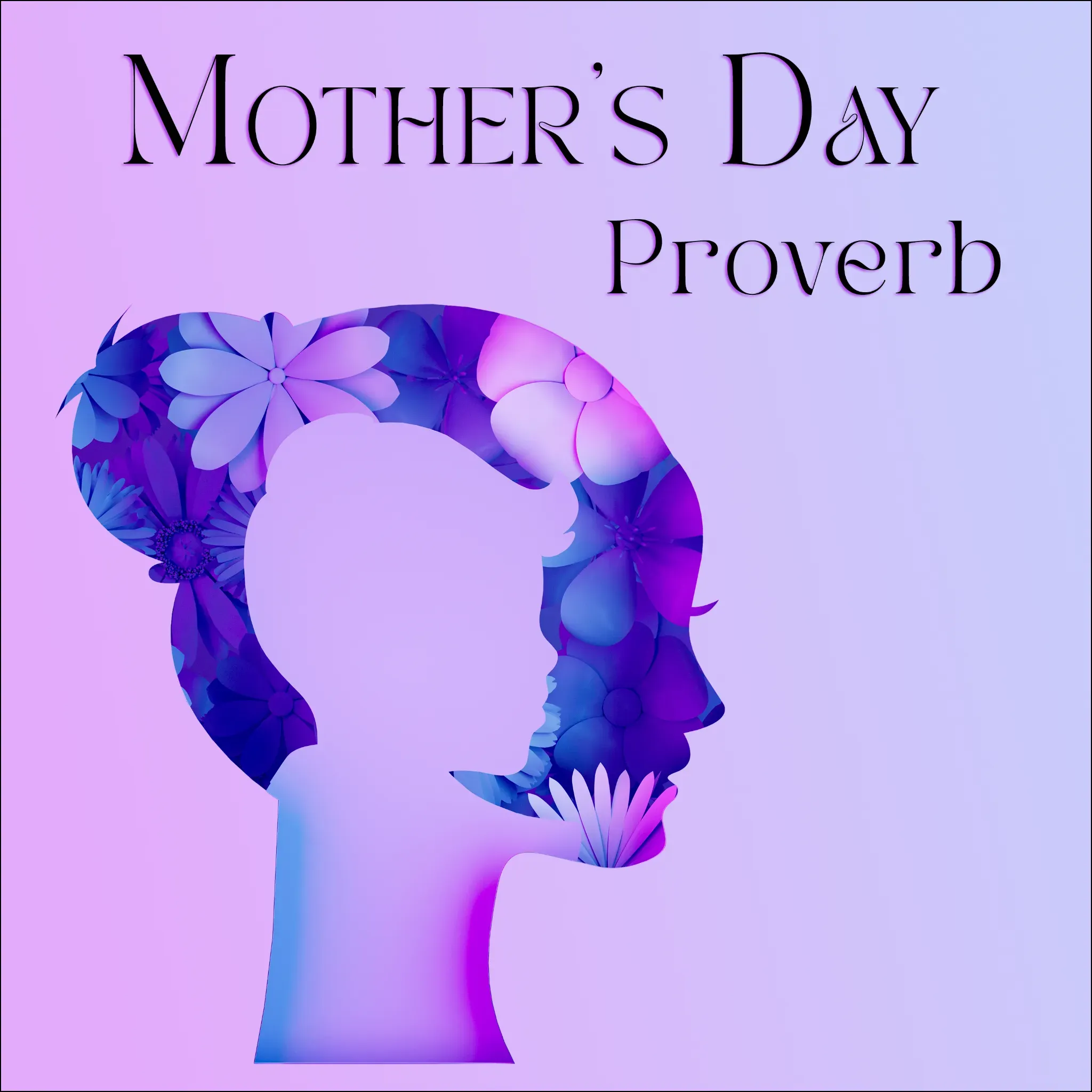
Mother's Day Proverb
Honoring mothers around the world, Mother’s Day Proverb is a single release from Matt’s “Reflections on…The Proverbs of Solomon” album.
Reflecting on the ancient wisdoms from Proverbs 31, this 12-minute “musical audiobook” track features Matt Johnson’s thoughtful narration and sensitive piano improvisations.
• LISTEN on Streaming Platforms - all links
• REVIEWS
• Special Mother’s Day—released on April 17, 2026
• Honoring mothers around the world
• Vibe = Relaxed and Intimate
• Piano Improvisation ~ Reflective Narration from Proverbs 31
• Longer 12-minute track ~ “musical audiobook”
Web3: ProverbsOfSolomon.x (eBook & Audio files available)
~ ~ ~ ~ ~
METADATA
UPC: 045011014318
ISRC: USUX32601431
ISWC: T-922.066.570-3
ASCAP Work ID: 882593328
DNP Catalog: DNP150-0306
REVIEWS • Mother's Day Proverb
Radio Airplay • Jango Radio
Overall Impression:
Both deeply moving and thematically poignant, Matt Johnson's “Mother’s Day Proverb” ultimately succeeds because it understands its subject. It mirrors the quiet, often unseen strength it seeks to honor. The music doesn’t demand attention; it earns it through sincerity. The words don’t feel performed; they feel lived in. Together, they create a listening experience that is less about spectacle and more about stillness—a rare kind of piece that gently compels you to pause, reflect, and, for a moment, lose yourself in gratitude. What makes the piece particularly compelling is its refusal to dramatize. There’s no crescendo designed to overwhelm, no theatrical swell to force emotion. Instead, it trusts the listener. It creates a calm, ambient space where meaning can unfold at its own pace. In that sense, the track becomes almost meditative—something you don’t just hear, but inhabit.
Strongest Point(s):
The piano work is disarmingly simple on the surface, but that simplicity is deceptive. Johnson leans into restraint, letting each note linger just long enough to dissolve into the next. The melodies unfold with an undeniable grace, never hurried, never crowded—creating a spaciousness that invites reflection. There’s a tenderness in Matt's touch that feels almost tactile, as if each key is being pressed with intention rather than habit. You can hear the pauses, the breath between phrases, and those silences become just as meaningful as the notes themselves. Over this delicate musical bed, Matt's spoken word enters not as a dominant force but as a companion. It doesn’t interrupt the music—it floats within it. His voice carries a warmth that feels deeply personal, like a quiet conversation rather than a proclamation. The cadence is measured and reverent, allowing the listener to absorb each line fully. The result is something akin to a musical audiobook, yes—but one that’s more immersive than narrative-driven. It’s less about telling a story and more about dwelling inside a truth.
The words, drawn from Proverbs 31, are already rich with imagery and reverence, but Johnson’s delivery reframes them. Rather than feeling archaic or distant, they become immediate and human. There’s a sense that these words are not being recited for ceremony—they’re being remembered. What stands out most is how the text balances strength and gentleness. The woman described is industrious, perceptive, generous—someone who builds, provides, cares, and endures. Johnson’s understated delivery allows those qualities to emerge organically. It makes for a particularly calming listening experience, one that favors mood and feel over theatrics.
~ April, 2026
~ By Andre Avanessian
~ Radio Airplay • Jango Radio
Apricot Magazine
The Ivory Wisdom of Solomon and the Maternal Tribute of Matt Johnson
The landscape of independent music is often a crowded corridor of three minute distractions and engineered hooks, but every so often an artist arrives with a project that demands a complete recalibration of the senses. Matt Johnson, a pianist whose lineage stretches back to the formative encouragements of George Winston in the eighties, has spent decades constructing a vast library of over eighty recordings. On April 17, 2026, he delivered a project that transcends traditional genre boundaries, entitled "Mother’s Day Proverb." This release marks a significant milestone for us here at Apricot Magazine, as it represents the first time we have ever formally reviewed a musical audiobook. It is a bold departure from the standard single format, offering a twelve minute journey that merges ancient literature with the fluid, improvisational grace of contemporary jazz and new age piano.
Johnson is a creator whose technical foundation is as deep as the history he explores, having begun his journey with the keys at the age of six. His academic pedigree, which includes a Master degree in Jazz Studies and Composition from the New England Conservatory of Music, provides the structural integrity for his more experimental forays. "Mother’s Day Proverb" is a direct result of this sophisticated background, functioning as a standalone reflection pulled from his larger project centered on the Proverbs of Solomon. By focusing on the timeless wisdom of Proverbs 31, Johnson has created a piece that is both a religious meditation and a universal tribute to maternal strength. The music does not simply accompany the text but acts as a living partner to the narration, responding to the cadence of the words with sensitive ivory flourishes.
The architecture of this musical audiobook is intentionally relaxed and intimate, designed to pull the listener into a state of deep reflection. Johnson utilizes a genre fluid approach that he describes as a blend of alternative piano and melodrama, though it carries the soulful weight of a classic jazz ballad. The length of the track allows for a patient unfolding of themes, a luxury rarely found in a world obsessed with brevity. It is a celebratory acknowledgement of the quiet power of intention, where the piano improvisations serve as a secondary voice echoing the ancient proverbs. This format is a masterful way to bridge the gap between literature and sound, turning a well known text into a visceral and immersive experience.
Recording this project required a delicate balance between the authority of the spoken word and the emotional resonance of the piano. Johnson’s narrating voice carries a thoughtful, steady quality that grounds the more ethereal elements of the music. The piano does not merely play a background role but actively improvises around the narrative arc, creating a sense of movement that feels both restless and refined. This is music as a spiritual discipline, a way to navigate the complexities of identity and heritage through the medium of the eighty eight keys. The signal remains clear and the intention is absolute throughout the entire twelve minute duration. It is a record built to outlast the seasonal trends of the industry.
Beyond the immediate melodic appeal, the release serves as a strategic cornerstone for Mother’s Day celebrations and meditation practices worldwide. Johnson has managed to capture a frequency that resonates with an honesty rarely found in the plastic perfection of modern commercial releases. The track fits naturally into playlists centered on affirmations and religious reflection, yet it possesses an artistic depth that appeals to any serious listener of alternative piano. It is an uncompromising statement from a creator who understands that the best work often happens at the intersection of different disciplines. By pioneering the musical audiobook format, he is inviting his audience into a more profound and sustained engagement with his art.
Tracing the evolution of Johnson’s career reveals a songwriter who is increasingly comfortable with the idea of total, unhurried exploration. His early days of recording under the guidance of New Age pioneers laid the groundwork for this current phase of sophisticated and eclectic creation. He has cultivated a worldwide following by prioritizing substance over style, a stance that makes this latest project feel like a definitive culmination of his years of study. "Mother’s Day Proverb" is the primary evidence of his methodology, a track that sounds like it was breathed into existence rather than merely programmed. It is a rare and beautiful collision of the academic and the spiritual, proving that wisdom is best served with a melody.
~ April, 2026
~ Apricot Magazine
~ By Tigran
1883 Magazine
Twelve Minutes for Mother’s Day: Matt Johnson’s Quiet Risk
There is a category of music that doesn’t really fit anywhere on Spotify. Too long for a single. Too short for an album. Too spoken to be instrumental. Too instrumental to be a podcast. Matt Johnson’s “Mother’s Day Proverb” lives right in that uncategorized space, and that is exactly what makes it interesting.
The structure
The track runs twelve minutes. Inside those twelve minutes you get two layers. Matt narrating Proverbs 31, slowly and clearly. Piano improvisation underneath, responding to the text like a second voice in the room.
That’s the entire architecture. No build. No drop. No production tricks.
It works because the two layers are actually listening to each other. The piano doesn’t decorate the words. It answers them.
Who is playing
Worth pausing here, because the player matters.
Matt Johnson is not a hobbyist with a microphone. Bachelor’s in Piano Performance. Master’s in Jazz Studies and Composition from the New England Conservatory of Music. Over 80 recordings released across decades. Started studying piano at age six. Got personal encouragement from George Winston in the 1980s before he ever pressed record on his own work.
When someone with that kind of background sits down to improvise for twelve minutes, it isn’t padding. It is a player choosing every note in real time, drawing from forty plus years at the instrument.
What it actually feels like
Sitting with this track is closer to a slow Sunday morning than a music listening session. The narration of Proverbs 31 has its own weight. The verses describe a woman of strength, wisdom, and quiet authority. Reading them takes a certain restraint. Matt has it.
Underneath, the piano moves through colors rather than chord progressions. Some passages feel almost classical. Others slip into a jazz harmony that holds for a moment and then dissolves. The genre tags attached to the release (‘alternative piano’, ‘melodrama’, ‘jazz ballad’) all gesture at something true without quite landing on it.
The closest honest description is reflective music. Music that gives you space rather than filling it.
Why the length is the point
A twelve minute track is a deliberate refusal of streaming logic. Algorithms reward songs that hook fast and end before listeners drift. Matt is doing the opposite. He is asking for your attention for a full sitting and trusting that the right listener will give it.
That trust is rare in 2026 and worth pointing at.
Who this is for
Not everyone. Listeners who want energy or a clear chorus structure will not connect with this release, and that is fine.
This release is for the people who still listen to a full piece without checking their phone. For mothers who appreciate scripture and serious music. For sons and daughters who want to send their mother something with actual depth on May 10. For anyone who finds quiet hard to come by and wants twelve minutes of it on purpose.
Final note
Released April 17, 2026, ahead of Mother’s Day on May 10. Available everywhere streaming services exist.
Matt Johnson made something honest, slow, and personal. It deserves a real listen, not a background play.
https://1883magazine.com/twelve-minutes-for-mothers-day-matt-johnsons-quiet-risk
~ April, 2026
~ 1883 Magazine
Révolutions De Rythme
"MOTHER'S DAY PROVERB" By Matt Johnson
"Mother’s Day Proverb" by Matt Johnson, released on April 17, 2026, stands out as a deeply contemplative and unconventional work that extends far beyond the traditional single format. Rather than offering a short, immediately accessible track, Johnson makes the bold choice of a 12-minute format—conceived as a true "musical audiobook." This singular approach instantly sets the piece apart in a musical landscape dominated by speed and instant gratification. Here, nothing is rushed; the listener is invited to slow down, to immerse themselves, and to undergo an experience. Inspired by the teachings of Proverbs 31, the track serves simultaneously as both a tribute and a meditation, perfectly aligned with the spirit of Mother’s Day.
The composition rests primarily on Matt Johnson’s piano playing, which forms its emotional and structural core. His playing is fluid and instinctive, nourished by influences that blend contemporary jazz, classical music, and New Age atmospheres. Improvisation occupies a central role, lending the piece a rare sense of freedom. Each musical phrase seems to be born in the moment, in response to the words and the emotions they convey. This interplay between piano and narration creates a profound sense of intimacy. The tempo is deliberately measured, allowing every note—and every silence—to breathe. This handling of the sonic space imbues the work as a whole with an almost meditative quality, where emotion is built just as much within the pauses as it is within the melodies.
The narrative dimension of the piece adds an extra layer of depth. Matt Johnson’s voice—calm and sincere—guides the listener through a reflection inspired by Proverbs 31. His delivery avoids any excessive theatricality, favoring instead an authentic and composed approach. The narration never overpowers the music; rather, it integrates harmoniously, creating a subtle balance between spoken word and sound. This complementarity heightens the emotional impact of the work. One does not feel as though one is listening to a performance, but rather sharing a moment of intimate—almost spiritual—reflection. This simplicity in delivery renders the message both accessible and universal.
Thematically, "Mother’s Day Proverb" succeeds in paying tribute to the maternal figure without succumbing to clichés. By drawing upon an ancient and symbolic text, Johnson expands the scope of the piece to touch upon universal values: strength, wisdom, benevolence, and devotion. Proverbs 31—often associated with the figure of the virtuous woman—serves here as the foundation for a broader reflection on the role and impact of mothers in our lives. The track thus transcends the boundaries of a mere personal tribute to become a timeless celebration of love and sacrifice. Listeners are invited to reconnect with their own memories and emotions, engaging in a deeply introspective journey.
One of the most remarkable aspects of the track is its versatility. Although conceived for Mother’s Day, "Mother’s Day Proverb" fits naturally into a variety of contexts: meditation, relaxation, spiritual contemplation, or moments of quiet repose. Its ambient and narrative qualities allow it to find a home equally well in wellness playlists as in more personal spaces dedicated to mindful listening. Its hybrid format—straddling the line between music and storytelling—also broadens its appeal, making it accessible to those seeking a distinct experience situated somewhere between musical artistry and inner growth.
Matt Johnson’s personal journey shines through in every moment of the track. A pianist trained from a young age—his craft enriched by a solid academic background and decades of creative work—he demonstrates here a complete mastery of his art. His extensive experience in jazz, composition, and performance is palpable in the richness of his musical language. This artistic maturity enables him to embrace such an open-ended format without ever sacrificing coherence. Every element seems to be exactly where it belongs, guided by a clear vision and sincere intent.
"Mother’s Day Proverb" is a work that stands in stark contrast to current industry standards, offering instead a deeply human and introspective experience. It demands time and attention, yet in return, it offers a sincere and lasting connection. Matt Johnson delivers not merely a song, but a moment of respite—a space for reflection and contemplation. It is a work that honors motherhood with respect.
https://www.revolutionsderhythme.co/post/mother-s-day-proverb-par-matt-johnson
~ April, 2026
~ Révolutions De Rythme
~ By Ryann
Iggy Magazine
A Piano Ode for "Mother’s Day Proverb"
As Mother’s Day approaches, pianist Matt Johnson delivers a piece of rare depth with his latest single, “Mother’s Day Proverb.” Drawn from his ambitious project, “Reflections on…The Proverbs of Solomon,” this twelve-minute track ventures far beyond the beaten paths of classical instrumental music. Far from being a mere decorative melody, the work establishes itself as a true "musical audiobook," fusing soulful narration with delicate improvisations to celebrate mothers around the world and across the centuries.
The foundation of this composition lies in the millennia-old wisdom of Proverbs 31. This biblical text—which paints a portrait of the virtuous woman—finds new life here. Matt Johnson does not merely recite these writings; he envelops them in an organic sonic texture where every word seems dictated by the movement of the piano. His delivery—measured and pensive—engages in a dialogue with notes that breathe, creating an atmosphere of quiet contemplation that invites the listener to take a much-needed contemplative pause.
Technically speaking, the fluidity of the genre is striking. The piece navigates between jazz ballad and cinematic melodrama, never losing the emotional thread that binds it together. Johnson’s piano playing is exquisitely sensitive, alternating between evocative silences and soaring lyrical passages. This artisanal approach lends the piece a vibrant human dimension, transforming a lesson in ancient wisdom into a universal tribute—accessible to anyone wishing to honor the maternal figure.
Ultimately, “Mother’s Day Proverb” is an immersive experience that transcends a purely religious context. Johnson succeeds in the challenge of giving gratitude a voice. By allowing the piano hammers to strike the strings with such tenderness, he provides a timeless setting for these sacred words. It is a precious musical gift—a twelve-minute meditation that reminds us that, behind every home and every destiny, often lies the quiet strength and benevolence of a devoted mother.
https://www.iggymagazine.com/matt-johnson-une-ode-au-piano-pour-la-mothers-day-proverb
~ April, 2026
~ Iggy Magazine
EXTRAVAFRENCH
Twelve Minutes Out of Time with Matt Johnson on “Mother’s Day Proverb”
“Matt Johnson’s ‘Mother’s Day Proverb’ establishes an intimate liturgy where every piano note accompanies a thought striving to endure.”
No rhythm to follow, no chorus to anticipate. Just a presence. That of Matt Johnson, settling in at the piano much as one sits down for a long conversation—unhurried, and with that rare awareness that silence matters just as much as words. “Mother’s Day Proverb” immediately shifts our bearings. We are no longer within the standard song format, but rather in a hybrid—almost indefinable—form, hovering somewhere between sonic meditation and internal narrative.
The piano does not provide structure; it accompanies. Improvised, fluid, and at times suspended, it acts as a continuous breath beneath the narration. Each phrase seems to find its space naturally, never constrained by a rigid framework. One senses the legacy of a jazz background—that capacity to let the moment guide the direction, rather than the other way around.
The voice, for its part, makes no attempt to “perform” in the classical sense. It articulates; it reflects; it lingers. Drawing inspiration from ancient texts, it lends an almost timeless dimension to the piece. Yet what strikes me most is the total absence of didacticism. Nothing is imposed. Everything is offered—like a thought one might choose to inhabit, or simply let pass by.
This extended format—spanning nearly twelve minutes—thus becomes essential. It allows the piece to settle into a different temporality, far removed from the immediacy to which we are accustomed. We gradually enter a realm of deliberate slowness—a quality that feels almost radical in today’s world. It is a listening experience that demands we truly stop and pause.
Musically, the nuances are subtle yet constant. The piano explores varied sonic territories without ever disrupting the overall equilibrium. At times, certain inflections evoke soundscapes reminiscent of George Winston—that particular way of creating a dialogue between apparent simplicity and emotional depth.
Personally, what struck me most was the sense of continuity. The piece never attempts to engineer an emotional peak; instead, it follows a gentle, steady—almost meditative—course. It is a presence that accompanies you rather than demanding your full attention.
“Mother’s Day Proverb” is not meant for distracted listening. It calls for engagement, for a willingness to be fully present. And in return, it offers something rare: a space—a suspended moment in which the music ceases to be an object and transforms into an inner experience: slow, patient, and profoundly human.
~ April, 2026
~ EXTRAVAFRENCH
Hit Harmony Haven
“Mother’s Day Proverb:” Matt Johnson’s Reflective Musical Tribute to Timeless Wisdom
In “Mother’s Day Proverb,” composer and storyteller Matt Johnson presents a contemplative and deeply reverent musical piece that bridges scripture, spoken word, and minimalist piano composition. Drawn from his broader project "Reflections on…The Proverbs of Solomon," the track unfolds as a 12-minute “musical audiobook,” inviting listeners into a quiet and reflective meditation on the virtues described in Proverbs 31. Rather than functioning as a conventional song, “Mother’s Day Proverb” occupies a space somewhere between narration, devotional reflection, and musical interpretation. The result is a work that feels purposeful and meditative, designed to encourage thoughtful engagement with themes of motherhood, wisdom, and enduring character.
At the heart of the piece lies Johnson’s narration, which delivers the well-known passage describing the “worthy woman.” His voice carries a calm, measured cadence that complements the solemnity of the text. Instead of dramatising the material, Johnson allows the words to breathe, emphasising their timeless resonance. The narrative structure allows each line—from the praise of diligence and generosity to the acknowledgement of wisdom and strength—to unfold gradually. This deliberate pacing reflects the nature of the source material itself, which has been cherished for centuries as a poetic tribute to the virtues of integrity, resilience, and compassion. By presenting the passage in this reflective format, Johnson allows the audience to experience it as literature and living wisdom.
Equally important to the piece is the piano accompaniment that flows beneath the spoken words. Johnson’s improvisational style remains gentle and understated, offering melodic fragments that rise and fall with emotional subtlety. The piano never competes with the narration but acts as a supportive presence, adding depth and atmosphere. Soft chords and delicate melodic lines create a reflective soundscape that mirrors the tone of the text. At moments, the piano seems to pause, allowing silence to frame the words before continuing with quiet, expressive flourishes. This balance between narration and music gives the composition a meditative quality, encouraging listeners to slow down and absorb each line with intention.
What makes “Mother’s Day Proverb” particularly compelling is its ability to translate ancient wisdom into a contemporary listening experience. The passage itself, often quoted in religious and cultural contexts, speaks to qualities that remain universally relevant—hard work, generosity, wisdom, and devotion to family and community. Johnson’s interpretation highlights the enduring relevance of these virtues without imposing overt commentary. By allowing the scripture to stand at the centre of the piece, he frames the music as a vessel through which the message can resonate more deeply. The track also becomes a reflection on the values that shape meaningful relationships and responsible living.
Ultimately, “Mother’s Day Proverb” stands as a distinctive artistic offering within Johnson’s broader exploration of biblical texts. Its combination of spoken narrative and improvised piano demonstrates a thoughtful approach to storytelling through music. In an era often dominated by fast-paced digital consumption, the piece invites listeners to pause and reflect on the quiet dignity of the virtues it celebrates. As part of the "Reflections on…The Proverbs of Solomon" project, the track reinforces Johnson’s ability to transform ancient literature into an intimate auditory experience. The result is a work that honours mothers while simultaneously reminding audiences of the enduring power of wisdom expressed through word and sound.
~ April, 2026
~ Hit Harmony Haven
~ by Graham Peters
Biography Web
RADIANT LEGACIES: MATT JOHNSON’S MUSICAL TRIBUTE TO THE ANCIENT WISDOM AND LOVING NATURE OF MOTHERS IN HIS SONG “MOTHER’S DAY PROVERB”
Matt Johnson, an exceptional American pianist and composer, is cordially invited into our circle – a musical artist renowned for creating such unique pieces that evoke emotion through their eclecticism. Matt is able to infuse his compositions with an extraordinary energy and transform melodic simplicity into something much more powerful and complex. The most recent work of this gifted artist entitled “Mother’s Day Proverb” premiered on April 17th.
This composition is not merely a spring-themed piece but rather a deep reflection on the importance of knowledge and experience that make us strong. Sit back and immerse yourself in the intricate beauty of this music.
The composition opens with an elegant yet poignant piano tune that will move you in a way that is both unexpectedly deep and profound. His playing exudes vulnerability but also a certain purity of expression, which can only mean that there is an implicit trust between the artist and the audience. With every note, and every word, the song reveals a level of artistry that is rare and hard to forget. This beautiful composition is yet another demonstration of Matt Johnson’s mastery as he plays with pure brilliance, allowing himself to become one with the piano through nothing but the touch of his fingers on the keyboard.
As the soulful focal point of Matt Johnson’s “Reflections on…The Proverbs of Solomon” album, “Mother’s Day Proverb” is an expansive musical audiobook spanning 12 minutes, which celebrates mothers worldwide. Using narrative and piano improvisation, Johnson captures the essence of ancient biblical teachings found in Proverbs 31. It is more than just music. It is a contemplative piece that documents all the amazing things mothers do. In more ways than one, the song’s theme resembles the profoundness of the themes in “Labour” by Paris Paloma, only it replaces the biting critique of protest with the reverential tone of awe. With Johnson’s song, he manages to portray the invisible labor of love that is seldom appreciated, and in turn serves as a gentle nudge that makes us reflect on the dedication that mothers put into raising us. This song forces us to think deeply about the beauty of mothers, those who quietly hold us together through their dedication.
The artistry of Matt Johnson is the end result of a lifetime of dedication to his craft, beginning from the young age of six years, which has been honed over time by means of fierce competition in the form of orchestral concerts and piano contests. His mastery of the art of piano playing has been enhanced by an education at the esteemed institution of the New England Conservatory of Music, in which he attained both a Bachelor’s and a Master’s degree, respectively in the fields of Piano Performance and Jazz Studies and Composition. Such a productive past life forms the foundation upon which the greatness of “Mother’s Day Proverb” rests. This is because all of his years of experience coupled with an incredibly empathic nature are put to good use when creating this piece of art, ensuring that it becomes a masterpiece that is truly of high calibre.
There is something truly special about the way this song wraps itself around you and leaves behind a deep appreciation for all those maternal figures in your life. It is an emotive, poetic performance like none other, and it teaches the listener everything there is to know about combining poetry with piano mastery. While the story moves forward gracefully, it ends with the impact of an indisputable truth. It is both a pleasure and an honor to see a man wield such emotional weight and power at the same time, and Matt Johnson seems to have found that perfect balance. If the rest of his repertoire holds anything like this, we can only hope that he continues making music for the foreseeable future. There is much to look forward to on this new journey into his music library, and we will eagerly listen for what comes next.
~ April, 2026
~ BiographyWeb.org
~ By Naa Ofori
Indie Dock Music Blog
The quiet audacity of Matt Johnson's "Mother's Day Proverb" is that it doesn't flinch from its own seriousness. Twelve minutes is a long time to hold a listener. Twelve minutes of a man alone at a piano, narrating scripture, trusting the ancient poetry of Proverbs 31 to do the heavy lifting—this is either an act of profound artistic conviction or magnificent folly. Johnson, it turns out, is navigating very deliberately between the two, and the resulting track is richer for it.
The format itself deserves consideration. Johnson calls this a "musical audiobook," and the description is apt in ways that no single genre label could encompass. The piece refuses to be pure jazz, refuses to be piano minimalism in the Nils Frahm school, refuses to be mere spoken-word with accompaniment. It occupies a strange and rather beautiful hinterland between Harold Budd's impressionistic atmospherics and the kind of late-night intimacy one associates with Bill Evans playing alone at the Village Vanguard, thinking out loud into the room.
"Johnson trusts silence the way a good novelist trusts white space — as a structural material, not an absence."
The piano improvisations here are sensitively wrought. Johnson does not impose himself on the text; rather, he builds a tonal environment in which the words can breathe. His touch is restrained — almost courtly — and there is a quality of deep listening to his playing, as if the music is responding in real time to what the narration discovers in itself. The modal voicings drift and pool without resolution, which is precisely the right instinct. Proverbs 31, for all its declarative confidence ("Who can find a worthy woman? For her price is far above rubies"), carries within it a kind of elegiac tenderness; Johnson's harmonic vocabulary honours this without ever underlining it twice.
The narration is where the work earns its place. Johnson reads with the measured cadence of someone who has lived alongside these words for some time, who finds in them not religious duty but genuine wonder. He is not performing piety; he is sharing attention. The effect is disarming. When the text reaches "Her children rise up and call her blessed," the phrase arrives not as a triumphant flourish but as a simple, almost private recognition — the kind of thing said quietly across a kitchen table rather than proclaimed from a pulpit. This restraint is the production's greatest strength.
One could argue, and the argument would not be baseless, that twelve minutes tests the patience of a streaming audience weaned on three-minute formats and algorithmic distraction. Johnson is clearly unconcerned by this objection, and he is probably right to be. The track finds its target audience — playlists for Mother's Day, Meditation, Spiritual listening — with a precision that commercial brevity could not match. Some music requires duration the way a cathedral requires height. You cannot compress the feeling.
"The piece refuses to be pure jazz, refuses to be piano minimalism — it occupies a strange and rather beautiful hinterland."
The release arrives as a single from Johnson's broader "Reflections on… The Proverbs of Solomon" album, which suggests that this is a considered excerpt from a larger artistic project rather than an opportunistic seasonal release. That context matters. The track carries the weight of a body of work behind it, and the weight shows — productively — in every unhurried bar.
What "Mother's Day Proverb" ultimately accomplishes is something genuinely difficult: it makes the listener feel that honouring a loved one might be a musical act as much as a sentimental one. The piano does not illustrate the text so much as it dignifies it, and the voice does not perform the music so much as it companions it. For twelve minutes, the ancient and the intimate become one and the same thing. That is no small achievement.
VERDICT
A contemplative, genre-defying offering of rare sincerity. Johnson's instinct for restraint and his feel for the sacred in the everyday make this a track that lingers long after the piano falls silent.
https://indiedockmusicblog.co.uk/?p=36738
~ April, 2026
~ Indie Dock Music Blog
~ By Vitali
Palpitar del Piano
Celebrating Mothers with Matt Johnson
“Who can find a virtuous woman? For her worth is far above rubies.”
With this ancient question drawn from Proverbs 31, Matt Johnson reminds us once again that music can also be a form of prayer, a gesture of gratitude, and an intimate way to honor that which we often take for granted: the silent yet powerful presence of mothers.
In “Mother’s Day Proverb,” Matt presents us with a distinctive work—one that is deeply contemplative and imbued with meaning. It is not merely a piano piece, but a twelve-minute experience that moves fluidly between sensitive improvisation, reflective narration, and the solemnity of a miniature musical audiobook. His piano—always delicate and honest—does not seek to dominate; rather, it accompanies. It breathes alongside every word, allowing these ancient verses to find a new home in the present day.
The voice reciting the excerpts from Proverbs 31 brings the biblical text close, creating a sense of almost intimate proximity. It feels neither distant nor ceremonial, but profoundly human. Each phrase seems to call to mind a specific face: a mother who quietly held the household together; a woman who found strength amidst her weariness; a presence that taught love without the need for grand speeches.
“She opens her mouth with wisdom, and the law of kindness is on her tongue…”
As these words unfold, the piano swells in intensity, as if reaching out to embrace them—elevating the dignity of those lives that so often go unnoticed. Matt does not merely seek to evoke emotion; his intention appears far deeper: to lead us to contemplate true beauty—the kind that resides not in outward appearance, but in resilience, in service, in tenderness, and in everyday strength.
The piece navigates between gentle melodrama, jazz balladry, and alternative piano styles, all while maintaining a consistently relaxed and intimate atmosphere. It is music to be listened to with pause—music for remembering, and for giving thanks. A composition that finds its perfect place on occasions such as Mother’s Day, yet truly belongs to any moment when we wish to return to the very source of affection.
With “Mother’s Day Proverb,” Matt Johnson presents not merely a new release, but a small sonic ceremony—an offering to honor the women who shaped us, sustained us, and taught us how to love.
It is a piece perfect for dedicating, for meditating, and for returning to the heart.
This May 10th, this work finds its natural home among those seeking to say "thank you" in a different way: through silence, through poetry, and through music.
https://litereandoblog.com/2026/04/29/celebrando-a-las-madres-con-matt-johnson
~ April, 2026
~ Litereandoblog.com
~ Palpitar del Piano, aka, Antonio A. F.
Sistra
AN INTIMATE RITUAL IN PIANO AND WORDS
At twelve minutes long, Matt Johnson’s “Mother’s Day Proverb” immediately positions itself outside the logic of the typical single. In “Mother’s Day Proverb,” Matt Johnson leans into a hybrid form: part spoken word, and part piano improvisation, where structure is replaced by intention and pacing becomes the central language.
The piece resists expectation. There’s no clear entry point, no hook to hold onto, just a piano line that feels like it’s already thinking out loud. You don’t follow it as much as you enter it. Johnson builds a space rather than a sequence, where sound, silence, and text move in quiet negotiation.
The lyrics, drawn from the full arc of Proverbs 31, are central, but never forced. What’s striking is how the passage unfolds not as doctrine, but as accumulation. Each line adds a layer: “She seeks wool and flax… she rises while it is yet night… she considers a field, and buys it…” The portrait is not idealized in abstraction; it’s built through action, detail, and rhythm. By the time we reach “Strength and dignity are her clothing” or “She opens her mouth with wisdom,” the weight of those lines has already been earned.
Johnson understands this, and more importantly, he doesn’t interrupt it. The piano remains restrained, almost observant, allowing the words to carry their own gravity. There’s a quiet spaciousness in his playing that echoes the introspective language of Bill Evans, not in style, but in sensibility.
The narration follows the same philosophy. There’s no theatricality, no attempt to elevate the text beyond itself. Instead, Johnson delivers it with a calm, measured cadence that feels grounded; less like performance, more like attention. When the passage arrives at “Her children rise up and call her blessed… many women do noble things, but you excel them all,” it lands with a quiet fullness rather than a dramatic peak.
There’s also something quietly timely about the choice to present the entire passage in this way. The text itself speaks of labor, dignity, care, and resilience; not as spectacle, but as continuity. In “Mother’s Day Proverb,” these ideas aren’t reframed or modernized; they’re simply given space to resonate. And that restraint makes them feel unexpectedly present.
The length of the piece is not incidental; it’s integral. The gradual unfolding of the text, paired with the unhurried pacing of the piano, creates a sense of immersion that shorter formats couldn’t sustain. This isn’t a track designed to be sampled; it’s one to be sat with.
As the voice eventually recedes, the piano remains; slightly more exposed, but still withholding resolution. It doesn’t conclude; it settles. And in that settling, the piece leaves behind something subtle but lasting: not a message, not a climax, but a presence.
And that’s where “Mother’s Day Proverb” by Matt Johnson ultimately lives. In its refusal to rush, to simplify, or to perform beyond what is needed. In “Mother’s Day Proverb,” Matt Johnson allows the text, the music, and the silence between them to speak equally; and in doing so, turns listening into something beautiful and almost devotional.
https://sistra.me/mothers-day-proverb-matt-johnson
~ April, 2026
~ Sistra
~ By Cherine Abulwafa
Distortion Diaries
“Mother’s Day Proverb” — Matt Johnson’s Meditative Tribute to Strength, Grace, and Timeless Virtue
Matt Johnson returns with “Mother’s Day Proverb,” a composition that blends spoken word, spiritual reflection, and expressive piano into a deeply contemplative listening experience. Following the quiet emotional resonance of his earlier piano work, Johnson once again demonstrates a remarkable sensitivity to mood and message, offering a piece that feels less like a traditional track and more like a guided meditation. From its opening notes, the composition establishes an intimate atmosphere, drawing the listener into a reflective space where sound and meaning unfold gradually. There is no sense of urgency here—only a deliberate pacing that encourages stillness and attention, setting the tone for a work that prioritises depth over immediacy.
At the heart of “Mother’s Day Proverb” lies its spoken-word centrepiece, drawn from the biblical passage in the Book of Proverbs, chapter 31. This well-known scripture, often associated with the “virtuous woman,” is delivered with a calm, measured cadence that allows its message to resonate fully. Johnson’s interpretation avoids theatricality, instead opting for a tone that is warm, steady, and quietly affirming. In doing so, he reframes the passage for a contemporary audience, highlighting its emphasis on character, resilience, and inner strength rather than superficial ideals. The timing of this release feels particularly significant, as conversations around gender roles and societal expectations continue to evolve. By presenting this text in a modern musical context, Johnson invites listeners to reconsider its relevance and enduring wisdom.
Musically, the piece is anchored by a piano arrangement that is delicate and expressive. The opening section features glistening, carefully articulated notes that create a sense of emotional openness, providing a gentle foundation for the spoken word to emerge. As the composition progresses, the piano expands in both range and intensity, subtly mirroring the thematic development of the text. There is a cinematic quality to the arrangement, as if each phrase is designed to evoke a visual or emotional response. The final quarter of the track, which transitions into a solo piano passage, offers a moment of introspection, allowing the listener to absorb the message without the guidance of narration. This structural choice reinforces the meditative nature of the piece, giving it a sense of closure that feels reflective and complete.
Ultimately, “Mother’s Day Proverb” stands as a testament to Matt Johnson’s ability to merge music and meaning with clarity and purpose. It is a work that transcends genre, comfortably inhabiting the space between alternative piano, jazz ballad, and spoken-word performance. More importantly, it succeeds in creating a genuine emotional connection, encouraging listeners to pause and reflect in a world that often moves too quickly. The piece does not seek to impress through complexity or grandeur but resonates through sincerity and intention. In doing so, Johnson delivers a composition that feels timely and timeless—a quiet yet powerful reminder of the enduring value of compassion, strength, and grace.
~ April, 2026
~ Distortion Diaries
~ By Deon Mensch
Top 40 Charts
Matt Johnson – "Mother's Day Proverb" Review
This release does something most Mother's Day songs don't even attempt.
Twelve minutes long. Piano improvisation underneath spoken narration from Proverbs 31. No vocals in the traditional sense. No chorus. No drop. Just Matt Johnson at the piano, reading scripture, letting the music do what music does when nobody is rushing it.
It shouldn't work as well as it does.
Matt Johnson is an American pianist and composer with over 80 recordings to his name. Classically trained from age six. Bachelor of Music in Piano Performance, then a Master of Music in Jazz Studies and Composition from the New England Conservatory. George Winston actually encouraged him to start recording back in the 1980s, which tells you something about the kind of player he is.
So when Matt sits at a piano and improvises for twelve minutes, it isn't filler. Every note is sitting where it should be sitting.
The track is part of a wider project called "Reflections on The Proverbs of Solomon." The pitch labels it a musical audiobook. That phrase sounds dry, but the experience is much warmer than the description. Closer to a guided reflection with a serious soundtrack. The narration is calm and unhurried. Matt isn't performing the words at you. He is reading them, and the piano underneath is reacting in real time. Sometimes the music holds back. Sometimes it leans in. It feels like a conversation between the text and the instrument.
Genre is a strange question with this one. Alternative piano, jazz ballad, melodrama, contemplative, spiritual. None of those tags fully cover it. "Reflective" is probably the most honest word.
Will it land with everyone? No. Listeners who need a hook every fifteen seconds will tap out before minute two. That is fine. This is not a track built for casual scrolling. It is built for a quiet morning. For a long drive. For a moment when you actually want to think about your mother instead of just sending a card.
The twelve-minute length is intentional and worth respecting. Matt is not trimming the piece down to fit streaming behavior. He is letting the passage breathe, letting the piano find its corners, letting silence sit when silence is the right answer.
Release date is April 17, 2026, with a clear runway to Mother's Day on May 10. If your mother responds to spiritual material, scripture-based music, or simply enjoys serious piano work, this is a stronger gift than most things you can wrap in paper.
A real artist, doing thoughtful work, on his own terms.
https://top40-charts.com/news.php?nid=191606
~ April, 2026
~ Top 40 Charts
~ New York, NY
Linklop
A Quiet Tribute: Matt Johnson’s “Mother’s Day Proverb” Speaks with Gentle Grace
“Mother’s Day Proverb” by Matt Johnson feels less like a traditional song and more like a heartfelt reflection set to music. It carries a calm, almost meditative tone that invites listeners to slow down and sit with its meaning. Rather than aiming for grand gestures, the track leans into simplicity and that’s exactly what makes it resonate.
From the outset, the arrangement is soft and uncluttered. There’s a deliberate restraint in how the music unfolds, allowing each note to breathe. This minimal approach creates space for the emotion at the core of the song to come through naturally. Nothing feels rushed or overproduced; instead, it feels intentional, as though every element was chosen to support the message rather than overshadow it.
Matt Johnson’s delivery matches that tone perfectly. His voice carries a sense of sincerity that’s difficult to fake. It doesn’t push too hard or try to impress, instead, it feels honest, almost conversational at times. That quality makes the song feel personal, like a quiet dedication rather than a performance meant for a crowd.
The theme itself is universal but handled with care. “Mother’s Day Proverb” touches on gratitude, love, and reflection, but avoids becoming overly sentimental. Instead of relying on clichés, it presents its message in a grounded and thoughtful way. It feels like a moment of appreciation captured in real time something that could easily resonate with anyone thinking about the role a mother or maternal figure has played in their life.
There’s also a sense of stillness that runs throughout the track. It doesn’t build toward a dramatic climax or try to create a big emotional peak. Instead, it remains steady, offering a consistent mood that feels comforting rather than overwhelming. That choice gives the song a timeless quality, as if it could be revisited again and again without losing its impact.
In the end, “Mother’s Day Proverb” stands out because of its restraint. It doesn’t try to say too much; it simply says what matters, clearly and sincerely. It’s a gentle, meaningful piece that reminds listeners of the power of quiet appreciation.
https://linklop.live/a-quiet-tribute-matt-johnsons-mothers-day-proverb-speaks-with-gentle-grace
~ May, 2026
~ Linklop

For Good
An intimate piano interpretation—for Singing Fingers.
Masterful and touching music by Stephen Schwartz.
• Al Terego Video
• Official Music Video
• REVIEWS
~ ~ ~ ~ ~
METADATA
UPC: 045011012253
ISRC: USUX32601225
DNP Catalog: DNP-1225
REVIEWS • For Good (for Singing Fingers)
Radio Airplay • Jango Radio
Overall Impression: There’s something quietly courageous about taking on “For Good”—a song so emotionally embedded in modern musical theatre—and stripping it back to a single instrument. Yet in his intimate piano interpretation of the Stephen Schwartz composition, performer and composer Matt Johnson does exactly that, and in doing so reveals new dimensions within the music’s already luminous heart. Best known from the Broadway phenomenon Wicked, “For Good” has long carried an innate tenderness. In its original form, the understated strings and fairytale-esque woodwinds wrap gently around the vocal performances, creating an atmosphere of hushed reflection and emotional reciprocity. It is intimate—but shared intimacy, built on dialogue and orchestral color. In this interpretation, the piano becomes both narrator and confidant. Without lyrics, without orchestration, the emotional core of “For Good” remains intact—arguably even magnified. Johnson has managed to honor Schwartz’s original grace while distilling it into something more solitary, more introspective, and perhaps even more vulnerable.
Strongest Points: What is most striking is how faithfully Johnson retains the spirit and grace of Schwartz’s writing while allowing his own artistic fingerprint to emerge. The melodic lines remain reverent to the source, never distorted for the sake of novelty. Yet through subtle voicing choices, rebalanced harmonies, and the gentle reshaping of phrases, he makes the piece feel unmistakably personal. His tonal control is exemplary. Johnson draws from the instrument a palette of colors that feels orchestral in scope, even in the absence of strings or winds. The upper register glimmers with a vocal-like purity, while the lower register grounds the arrangement with warmth rather than weight. He understands that tone is narrative—and he shapes it accordingly. Dynamically, the performance breathes. Johnson allows the music to crest and recede in a way that feels wholly organic, creating peaks and troughs that mirror the song’s narrative arc. The climactic passages bloom with grandeur but never tip into bombast. Conversely, the softer moments feel genuinely hushed, as though the listener has been invited closer rather than pushed back. This dynamic sensitivity ensures that the full emotional breadth of the composition remains vividly on display, even in its stripped-back form.
Perhaps most compelling is his rhythmic control. Johnson demonstrates the confidence to gently alter the tempo, leaning into phrases, lingering on cadences, or nudging forward with quiet resolve. These subtle rubato inflections lend the performance a deeply human touch. Nothing feels mechanical or overly rehearsed; instead, the music feels irrefutably organic.
https://www.radioairplay.com/bands/744612/song_reviews/24575
~ March, 2026
~ Radio Airplay • Jango Radio
Palpitar del Piano
Matt Johnson and the intimate language of the piano in “For Good”
Among the most memorable pages of contemporary musical theater is For Good, one of the most emotional compositions created by Stephen Schwartz for the musical Wicked. In its original version, the piece is a sung dialogue between two friends who, upon looking at the path they have traveled together, discover that their meeting has transformed their lives forever. It is a reflection on the mark that others leave on us: a mark that, despite mistakes, goodbyes or changes, remains “for the better.”
When pianist Matt Johnson takes this work and transfers it to the territory of the solo piano, something deeply significant happens: the story does not disappear, but is transformed. The words that originally support the story seem to dissolve into thin air, but they are not lost. Rather, they slip through the notes like a memory that refuses to leave us.
Johnson has a particular sensitivity for this type of musical transfigurations. Trained as a classical pianist and later specialized in composition and jazz studies at the prestigious New England Conservatory of Music, his artistic language has naturally woven influences from piano romanticism, contemporary jazz and music with meditative atmospheres. The result is a style that many have described as Neo-Romantic: a sound writing where the melody breathes freely and each phrase seems to contain a carefully revealed emotion.
In his interpretation of For Good, the piano becomes a kind of inner narrator. Johnson allows the melody to advance with an almost vocal delicacy, as if each note tried to remember the presence of those voices that once inhabited it. The piece then unfolds as an emotional journey: moments of intensity rise towards small climaxes, and then retreat towards areas of calm and contemplation.
There is in this interpretation a musical metaphor for life itself. The sound discourse advances and retreats like a wave: it rises, breathes, stops, moves again. In this continuous movement, something deeply human is perceived: the awareness that growing implies changing, and that looking back is not necessarily being trapped in nostalgia, but rather recognizing the path traveled.
Throughout the play, Johnson leads us towards a kind of island of final stillness. There, the music seems to suspend itself for a moment between two feelings: the serene nostalgia for what has been experienced and the calm acceptance of the present. There is no excessive drama, but rather a form of reconciliation with the story itself.
Perhaps that is why this interpretation achieves something rare: even without words, the song retains its essential message. Music reminds us that our lives are made of encounters that silently transform us, and that every meaningful relationship leaves a seed of change.
Born in Texas and a pianist since he was six years old, Johnson has developed an extensive career as a performer and composer, with dozens of recordings that explore different territories of contemporary piano. His experience on stages in the United States and South America, as well as his pedagogical and liturgical work in his community, reveal a musical vocation deeply linked to emotional and spiritual communication.
Those who wish to explore more of his sound universe can find his music on various digital platforms and follow his work through his networks and online projects, where he shares recordings, scores and new compositions.
And for those looking for a space for contemplative listening, this interpretation of For Good it will be part of the playlist “Soft music to meditate 2026” of the project Throb, a selection dedicated to those pieces that invite you to stop, breathe and listen carefully to the inner pulse of the music.
Because, in the end, perhaps that is what this work reminds us: that life —like music— advances between changes, variations and silences, but it always offers us the opportunity to transform ourselves... for good.
https://litereandoblog.com/2026/03/13/matt-johnson-y-el-lenguaje-intimo-del-piano-en-for-good
~ March, 2026
~ Litereandoblog.com
~ Palpitar del Piano, aka, Antonio A. F.
Indie Dock Music Blog
Certain songs arrive in the world already armoured in sentiment, draped in the heavy brocade of theatrical tradition, and dare you to do anything at all interesting with them. Stephen Schwartz's *For Good*, that sweeping farewell duet from *Wicked*, is precisely such a song — the kind of composition that has been belted across a thousand West End and Broadway stages by voices of seismic proportions, accompanied by orchestras the size of small armies. The melody has been wrung, polished, and performed into a state of near-mythological familiarity. To approach it with a single piano and nothing else requires either extraordinary nerve or extraordinary trust — ideally both.
Matt Johnson, the American pianist and composer whose discography of more than eighty recordings stretches back to the George Winston-inspired recordings of the 1980s, possesses both in quiet abundance. "For Good (for Singing Fingers)" is not a reinterpretation so much as an act of tender archaeological excavation — a careful brushing away of the theatrical sediment to reveal the skeletal beauty beneath. What emerges is something genuinely startling: a performance that makes you feel as though you are hearing this melody for the very first time.
Rather than attempt to emulate the song's familiar legacy, Johnson meets it with quiet confidence, stripping away instrumentation and lyrics alike to prove that the melody is enough on its own. This is a braver gambit than it might initially appear. The theatrical power of "For Good" has always been inseparable from its words — those lines about being "changed for good" by another person carry the weight of lived experience precisely because they are sung by voices that tremble with human vulnerability. Johnson makes no attempt to replace that dimension. Instead, the arrangement invites listeners to experience the piece not as a theatrical moment but as a musical meditation.
Johnson allows the melody to breathe, with space for each phrase to reverberate. The unembellished instrumentation allows listeners to hear the piece from a fresh angle, revealing emotional layers that can get obscured in larger productions. This is the great paradox of minimalist piano performance: reduction is not subtraction. Strip a song down to its bones and, if those bones are strong enough — as Schwartz's undeniably are — what you discover is not a lesser thing but a purer one.
The piece is dedicated to "Singing Fingers," a detail that lends the whole enterprise a particular warmth and intentionality. This is not a pianist showing off, not a studio exercise in reinvention for its own sake. It is, rather, a gift — something crafted with care for a specific purpose and a specific audience. Johnson knows how to create a sonic dreamland with his magical fingers and a piano in front of him. That gift-giving quality colours every note. One senses, throughout, that this is music made in a spirit of genuine devotion rather than professional obligation.
Johnson's music has been called "Neo-Romantic," employing a unique blend of contemporary jazz, new age, popular and classical elements. That label fits well here. His touch is classical in its precision, yet warm in a way that the more austere school of concert pianists sometimes forgets is possible. Matt Johnson is so expressive that you forget everything else that exists other than his music. He does not hurry, does not linger unnecessarily, does not impose his own ego onto Schwartz's writing. He serves the song — and in doing so, demonstrates something that far more celebrated artists frequently fail to grasp: that the greatest interpretive performances are acts of surrender, not conquest.
The result is not only a cover but an interpretation that finds the bright core of Stephen Schwartz's writing. By stripping away the layers of orchestration and theatrical framing, Johnson demonstrates how durable and versatile the composition actually is. Durability and versatility — two qualities that the music industry, with its restless hunger for novelty, perpetually undervalues. Johnson's recording is a quiet corrective to that tendency.
Johnson's approach is a reminder that you don't need grandiosity of scale to convey emotional depth, just sincerity and deep connection to the music itself. Coming from a pianist of four decades' experience, with eighty recordings behind him and the influence of Winston's pastoral school still audible in his phrasing, this sincerity is not a pose. It is simply who he is.
For Good (for Singing Fingers) will not fill arenas or trouble the streaming charts. It will do something rarer and, frankly, more valuable: it will stop people in the middle of whatever they are doing and make them sit quietly with their own feelings for a few minutes. That is the oldest and most honourable ambition in music, and Johnson fulfils it with understated mastery.
https://indiedockmusicblog.co.uk/?p=35735
~ March, 2026
~ Indie Dock Music Blog
Biography
Brief Bio
Matt Johnson is a talented American pianist and composer renowned for his evocative and eclectic musical creations. George Winston’s written encouragements guided Matt to begin his journey of recording back in the 1980’s. Matt now has 80+ recordings released and a worldwide following.
His complete Discography is available on MusicBrainz.
Web3: MattJohnsonMusic.x
A master in his musical craft, Matt began his piano studies at the age of six and became more accomplished through numerous competitions and orchestral appearances. A Bachelor degree in Piano Performance set the stage for his Master degree in Jazz Studies and Composition from the New England Conservatory of Music. A prolific writer and performer, Matt’s music employs a unique blend of contemporary jazz, new age, popular and classical elements.
~ ~ ~
Extended Bio
Matt Johnson is a dynamic, classically trained pianist who received his Bachelor of Music degree in Piano Performance from Oklahoma Baptist University. As a graduate student at New England Conservatory of Music, he formally expanded his talents in the area of composition. Studying under William Thomas McKinley, he received his Master of Music degree in Jazz Studies and Composition, with a Distinction in Performance.
A prolific writer and performer, Johnson has performed throughout the United States and South America. His music has been called "Neo-Romantic," employing a unique blend of contemporary jazz, new age, popular and classical elements.
Matt’s discography of original compositions includes more than 80 recordings, available at MusicBrainz.org
Johnson has composed and arranged for many mediums. The audio, sheet music and graphics for his piano, choral, vocal, instrumentals, handbells, orchestra and ringtones are freely available from his primary Web3 sites: MattJohnsonMusic.x and Permanence.x
Matt has been studying/playing the piano since the age of six. Indeed, there’s an early picture of him practicing on the cover of his "Origins" recording. His classical training has included numerous piano performance competitions and orchestral appearances.
Matt is a writer member of A.S.C.A.P. and his publishing company, Dolce & Nuit Productions, is a publisher member as well. Embracing the emergence of Web3, DNP has rebranded as "MattJohnsonMusic.x"
Born in Texas, Matt currently resides in Florida. His versatility allows him to teach piano, theory and composition...play piano, organ and keyboards for both Contemporary and Traditional services at his local church...as well as accompany and adjudicate music festivals and competitions.
Contact
Promotional Photos

NFTs & Digital Collectibles
Reviews
1 / 6
Recent Press
INTERVIEW
Conversations with Matt Johnson
Today we’d like to introduce you to Matt Johnson.
Hi Matt, so excited to have you with us today. What can you tell us about your story?
My life has always revolved around music. I began piano lessons at the age 6 and was teaching privately by the time I turned 16. My education includes a Bachelor in Piano Performance and a Masters in Composition from New England Conservatory of Music. The son of a preacher man, my family of origin moved around the quite a lot. I’ve played for churches since the 6th grade, and eventually worked as Director of Musical Ministries for 30+ years in various congregations. Composing, arranging and recording music brings me joy. My recordings may be heard on all the current streaming platforms or on MattJohnsonRadio. Information about one-on-one lessons may be found at www.MattJohnsonMusicStudio.com and my complete discography is archived on MusicBrainz.
Would you say it’s been a smooth road, and if not what are some of the biggest challenges you’ve faced along the way?
Having adopted Alan Watts’ premise that “Life” is more like a “dance” than a “journey,” I would say that while my life hasn’t been a straight line, I’ve successfully continued dancing…and remain vertical.
As you know, we’re big fans of you and your work. For our readers who might not be as familiar what can you tell them about what you do?
My life’s work has revolved around performing, composing and recording my music. I’ve been fortunate to make my living as a musician by utilizing specialized skills. Like Bach, I’ve worked as a church musician—accompanying services on the organ/piano, as well as composing/arranging for vocal/handbell choirs and worship bands. Like Chopin, I’ve taught private music students—for almost five decades now—to “think like a composer” and understand the “limitations of the notation.” Like Beethoven, Liszt and many other composers, I’ve concertized and promoted my original works as a soloist or with an ensemble, including multiple orchestral appearances.
Being very detail-oriented, I like to think that I specialize in quality work in all that I do. In 1985, I founded my publishing company, “Dolce & Nuit Productions.” Since then, I’ve been in charge of composing, arranging, recording, sheet music, cover art, music videos, websites, archiving, etc.
Funny story: When I released my first album, “New Age” music was prominent. Since I wasn’t playing “classical” music and wasn’t a straight-ahead “jazzer,” I was labeled as a New Age artist and the label has stuck through the years. At least it distinguishes me from the multiple other musicians who share my name.
During my life, I’ve always composed music. Only recently have I’ve focused on archiving my creative works. At this point, I’m considered a “seasoned” composer with a “catalog” of works. I do experience a sense of joy when I allow myself to look back and remember the creations that have streamed through me.
I’m well aware that I am a mere pebble in the eons of time. Yet, pebbles make up the future grains of sand. The musical and creative works created during my lifetime represent the granular trail of my existence, and will hopefully remain long after I’m gone.
This Wikipedia-like page contains more information if your readers are interested in learning more:
https://ipfs.io/ipfs/bafybeia7vsmaod6km2ycaztmrbjyl3gw5kxdu6a4joymtlyzxhwwpu6e2a
What would you say have been one of the most important lessons you’ve learned?
I realized early on to create music that speaks to me—and to not worry too much about other people’s subjective opinions. Also, it is clear to me that everyone is “creative” in their chosen areas of interest.
https://voyagemia.com/interview/conversations-with-matt-johnson
~ April, 2026
~ VoyageMIA Magazine
Authority Control
IPI/CAE: [ASCAP]: (writer) 126403210; (publisher) 126608776
ISNI: (Matt) 0000 0004 6875 3420
https://isni.org/isni/0000000468753420
ISNI: (Dolce & Nuit Productions) 0000 0004 7681 6022
https://isni.org/isni/0000000476816022
WorldCat Identities: n85150007 LCCN: n85150007
Web2: www.MattJohnsonMusic.com
Web3: MattJohnsonMusic.x (Primary Site)
Web2: www.MattJohnsonMusicStudio.com
• DBA: Dolce & Nuit Productions (DNP)
• DBA: MattJohnsonMusic.x (Rebranded 2022)
• DBA: MattJohnsonRADIO.x
• DBA: Matt Johnson Music Studio
DISCOGRAPHY: https://musicbrainz.org/artist/23d8458f-dcc0-4a51-9d09-af933af07eec
Internet Archive: https://archive.org/details/mattjohnsonmusic
RADIO: https://www.internet-radio.com/station/mattjohnsonradio/
AllMusic: https://www.allmusic.com/artist/matt-johnson-mn0002581604/discography/all
Public Domain Release
I N F J
Check out some of my recordings…














1 / 17